Understanding why cheap loans can be expensive is key: low rates often hide fees, adjustable terms, and long-term interest costs that increase total repayment.
At first glance, a low-rate mortgage looks like a win. But understanding why cheap loans can be expensive is critical before making a long-term financial decision. What seems affordable upfront can quietly turn into a costly mistake over time—especially in high-value markets like California, Washington, and Oregon.
Why Cheap Loans Can Be Expensive Over Time
A loan that looks “cheap” typically focuses on short-term affordability rather than long-term efficiency. Lower monthly payments, teaser rates, or minimal upfront costs often come with trade-offs that increase total borrowing cost over time.
The Illusion of a Low Interest Rate
A low advertised rate is often the hook—but not the full picture. Many loans include temporary buydowns, adjustable-rate structures, or conditions that change after a few years.
Real-World Scenario:
A borrower in California secures a 3.99% rate through a 5/1 ARM. For five years, payments are manageable. After that, the rate adjusts to 6.75%, increasing the monthly payment significantly. This is a clear example of why cheap loans can be expensive when the structure isn’t fully understood.
Hidden Costs That Add Up Fast
Cheap loans often shift costs away from the rate and into less visible areas:
- Origination fees
- Discount points
- Mortgage insurance (PMI or MIP)
- Prepayment penalties
- Inflated closing costs
In California, where loan balances are higher, even small percentages can translate into tens of thousands of dollars over time.
Longer Loan Terms = More Interest Paid
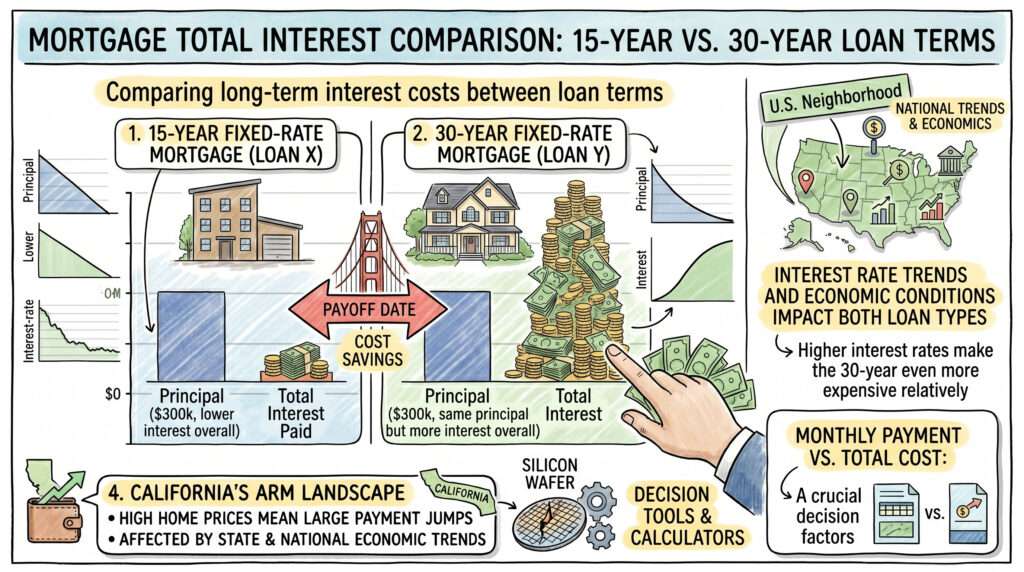
Lower monthly payments are often achieved by extending the loan term. While a 30-year mortgage reduces monthly burden, it significantly increases total interest compared to a 15-year loan. This is another reason why cheap loans can be expensive—the savings are only short-term.
Adjustable Rates and Payment Shock
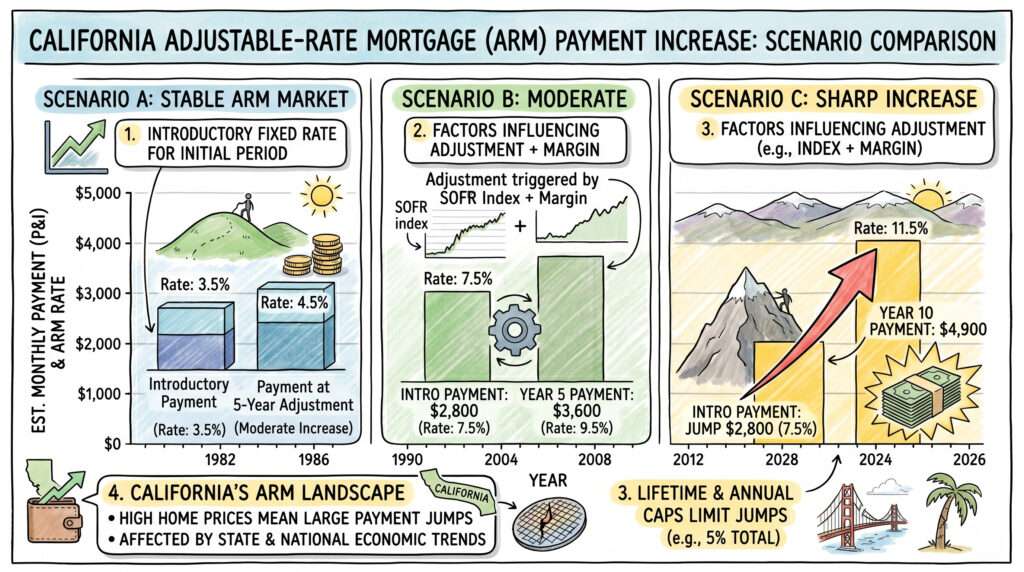
Adjustable-rate mortgages (ARMs) offer lower initial rates, making them appear affordable. However, once the fixed period ends, rates adjust based on the market. Payments can increase unpredictably, creating financial strain—especially in markets like California where loan sizes are larger.
Mortgage Insurance: The Silent Cost
Low-down-payment loans are often marketed as “affordable,” but they include mortgage insurance:
- PMI for conventional loans
- MIP for FHA loans
These costs can add hundreds to monthly payments and last for years. Over time, they significantly increase the true cost of the loan.
Cheap Loans Often Ignore Strategy
The biggest issue isn’t just cost—it’s misalignment. Cheap loans are built to look attractive upfront, not to fit a borrower’s long-term plan. A well-structured loan considers:
- Length of homeownership
- Income stability
- Refinancing opportunities
- Equity growth
A slightly higher-rate loan aligned with your goals can outperform a “cheap” loan over time.
The California Factor: Why This Matters More
In high-cost states like California:
- Loan amounts are larger
- Rate changes have a greater impact
- Fees scale significantly
Borrowers in Washington and Oregon face similar challenges, making strategic loan selection even more important.
How to Evaluate a Loan the Right Way
Instead of asking if a loan is cheap, ask:
- What is the total cost over time?
- How long will I keep this loan?
- What happens if rates increase?
- Are there hidden fees or insurance costs?
- Does this align with my long-term financial plan?
The goal isn’t the cheapest loan—it’s the most efficient one.
FAQ
Why cheap loans can be expensive for homeowners?
Because they often include hidden costs, adjustable rates, and long-term interest structures that increase total repayment.
Are low-interest mortgages always better?
No. The structure of the loan matters more than just the rate.
What is the biggest risk of a cheap mortgage?
Payment shock and long-term cost accumulation.
Is a longer loan term more expensive?
Yes. It reduces monthly payments but increases total interest paid.
How can I choose the right loan?
Focus on total cost, flexibility, and alignment with your long-term financial goals.
